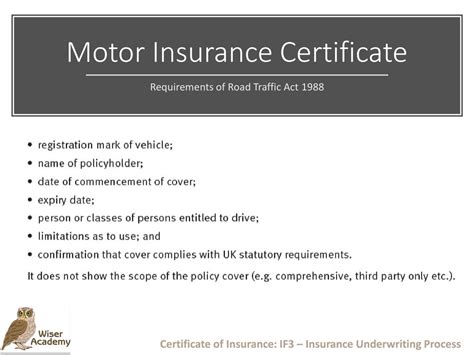
Navigating the Road Traffic Act is crucial for ensuring safe and lawful driving. This blog explores the importance of the Road Traffic Act, highlighting how it governs traffic laws and regulations. It delves into the complexities that drivers face and outlines key insurance requirements, which are essential for compliance. Additionally, the article analyzes the benefits and drawbacks of adhering to these regulations, emphasizing the consequences of non-compliance. Finally, it provides actionable steps for drivers to ensure they meet the necessary obligations under the Road Traffic Act. By understanding these elements, readers can better navigate the landscape of traffic laws and promote safer road use.
Understanding The Importance Of The Road Traffic Act
Navigating The Road Traffic Act is crucial for all road users, as this legislation not only governs the conduct of drivers but also establishes the framework for road safety initiatives. Understanding this Act helps mitigate risks associated with vehicular accidents and promotes responsible driving behavior. Furthermore, familiarizing oneself with the stipulations of this law can prevent unintentional violations that may lead to legal penalties and financial burdens, reinforcing the need for awareness among all drivers.
By adhering to the provisions outlined in the Road Traffic Act, individuals can significantly contribute to the overall safety of the driving environment. It lays down fundamental rules for road usage, such as speed limits, traffic signals, and right-of-way protocols. These regulations are designed to streamline traffic flow and minimize potential collisions. Consequently, when individuals respect this Act, it fosters a more organized road experience for everyone.
| Aspect | Description | Significance |
|---|---|---|
| Traffic Offenses | Details various misdemeanors such as speeding and drink driving. | Helps in understanding penalties and prevention measures. |
| Insurance Requirements | Sets compulsory insurance expectations for drivers. | Ensures financial protection in case of accidents. |
| Road Safety Initiatives | Encourages programs for driver education and awareness. | Promotes responsible driving behaviors. |
| Accident Procedures | Outlines steps to follow post-accident. | Ensures proper handling and reporting of incidents. |
Key Reasons To Understand The Road Traffic Act
- Reduces the likelihood of traffic violations.
- Enhances overall road safety for all users.
- Supports informed decision-making during driving.
- Encourages compliance with insurance requirements.
- Facilitates better interaction with law enforcement.
- Empowers individuals to advocate for road safety.
Comprehending the nuances of the Road Traffic Act is not just beneficial for individual drivers; it also plays a vital role in community awareness and collective road safety. As drivers become more knowledgeable about their rights and responsibilities, they contribute to a culture of accountability and safety on the roads. The Road Traffic Act frames the legal landscape in which drivers operate, necessitating full understanding and adherence to ensure safety and compliance in their driving activities.
Navigating The Complexities Of Traffic Laws And Regulations
Navigating The intricacies of traffic laws requires a comprehensive understanding of various rules and regulations that govern road safety. The Road Traffic Act, alongside local laws, plays a crucial role in establishing these rules. Understanding these legal frameworks not only helps in avoiding penalties but also ensures the safety of all road users. By equipping yourself with the necessary knowledge, you can become a better driver and a more responsible member of the community.
One significant aspect of Navigating The traffic laws is understanding insurance requirements. It is essential that every motorist is aware of their responsibilities regarding vehicle insurance, as stipulated by the Road Traffic Act. Non-compliance can lead to severe consequences, including hefty fines and potential legal action. This understanding should be a priority for anyone planning to operate a motor vehicle.
| Aspect | Importance | Consequences of Non-Compliance |
|---|---|---|
| Traffic Laws | Promote road safety | Fines, accidents |
| Insurance | Financial protection | Legal penalties, liability |
| Road Traffic Act | Standardizes traffic regulations | License suspension, criminal charges |
An effective way of Navigating The complexities of traffic laws is to follow established procedures and guidelines. This includes knowing how to interpret traffic signs, understanding the rules of the road, and keeping abreast of any changes in legislation. One way to achieve this is through continual learning and staying informed about local traffic regulations and upcoming changes.
Steps To Navigate Traffic Laws:
- Familiarize yourself with the Road Traffic Act.
- Understand local traffic laws and regulations.
- Keep updated on insurance requirements.
- Attend defensive driving courses if necessary.
- Review your driving record regularly.
- Engage with community safety programs.
- Consult legal professionals for clarity on complex issues.
By taking proactive steps, drivers can successfully navigate the complexities of traffic laws and ensure compliance with the Road Traffic Act.
Key Insurance Requirements Under The Road Traffic Act
When it comes to Navigating The Road Traffic Act, understanding the key insurance requirements is paramount. The Road Traffic Act mandates that all drivers must hold a minimum level of insurance coverage to operate a vehicle legally. This primary requirement not only protects drivers but also ensures that third parties are compensated in the event of an accident. It’s crucial for vehicle owners to be aware of these insurance necessities to avoid hefty fines and legal repercussions.
In many jurisdictions, the minimum insurance coverage typically required includes liability insurance. This type of coverage is essential as it protects against claims brought by other parties for bodily injury or property damage resulting from an accident caused by the insured driver. Understanding the specific limits and coverages mandated by the law is vital for compliance. Other types of coverage, which while not mandatory, are recommended to enhance financial protection, include collision and comprehensive coverage.
Essential Insurance Covers Required
- Liability Insurance
- Personal Injury Protection (PIP)
- Uninsured/Underinsured Motorist Coverage
- Collision Coverage
- Comprehensive Coverage
- Medical Payments Coverage
| Type of Coverage | Description | Legally Required |
|---|---|---|
| Liability Insurance | Covers damage to others for which you are responsible. | Yes |
| Personal Injury Protection (PIP) | Covers medical expenses for you and your passengers. | Varies |
| Uninsured/Underinsured Motorist Coverage | Protects you if the other driver lacks insurance. | No |
Furthermore, it is crucial for drivers to keep themselves informed about any changes to the Road Traffic Act, as regulations can evolve. This enhances the enforcement of safe driving practices and ensures everyone on the road is adequately protected. Being proactive about compliance can also lead to benefits such as reduced insurance premiums over time. As you continue Navigating The complexities of these laws, keeping your insurance up to date will foster peace of mind and security.
Analyzing Benefits And Drawbacks Of Compliance
When Navigating The road traffic act and its associated insurance requirements, it’s crucial to weigh the benefits and drawbacks of compliance. Compliance ensures that individuals and companies adhere to legal standards, potentially avoiding significant penalties and liabilities. Furthermore, it enhances the safety of road users and promotes better risk management. However, the costs related to compliance and the complexities involved can also present challenges for many organizations.
| Aspect | Cost Impact | Potential Consequences |
|---|---|---|
| Insurance Premiums | Increased | Potentially better coverage |
| Legal Fees | Variable | Litigation risk reduction |
| Training Programs | Initial investment | Enhanced employee awareness |
| Reporting Requirements | Time-consuming | Compliance assurance |
In addition to understanding the financial implications of compliance, businesses must evaluate its operational impact. Adhering to regulations often requires ongoing employee training and updates to systems and processes, which can be resource-intensive. Nonetheless, the long-term advantages of maintaining compliance—such as elevated public trust and improved operational efficiency—typically outweigh the drawbacks.
- Pros And Cons Of Compliance
- Ensures adherence to legal standards.
- Enhances safety for road users.
- Reduces the risk of legal penalties.
- May increase insurance costs.
- Requires ongoing training and updates.
- Can streamline operations in the long run.
Understanding the intricacies associated with Navigating The compliance requirements demands thorough research and planning. Organizations that take proactive steps towards compliance not only mitigate risks but also cultivate a culture of accountability and responsibility. This strategic approach ultimately contributes to a safer and more efficient road traffic environment, benefiting all stakeholders involved.
Take Action: Key Steps For Ensuring Compliance
When it comes to Navigating The Road Traffic Act, taking proactive steps to ensure compliance is crucial for every driver. Understanding the ins and outs of traffic laws not only keeps you legally protected but also promotes road safety. Awareness of your responsibilities under the law can save you from hefty fines and enhance your driving experience. By adhering to established regulations, you’re contributing to a safer environment for yourself and other drivers.
Moreover, compliance with the Road Traffic Act is closely linked to the insurance requirements that drivers must meet. Inadequate knowledge of these requirements can result in insurance claims being denied or pursuing costly legal actions. Therefore, it is essential to be informed and make necessary adjustments to your insurance policies based on the legal framework surrounding the Road Traffic Act.
| Metric | Description | Status (Compliant/Non-Compliant) |
|---|---|---|
| Valid Driver’s License | Ensures legal eligibility to operate a vehicle | Compliant |
| Insurance Coverage | Mandatory insurance policy covering minimum legal requirements | Non-Compliant |
| Vehicle Registration | Registration must be up-to-date and available for inspection | Compliant |
| Adherence to Traffic Signs | Obeying all posted traffic regulations and signage | Compliant |
To streamline your process in Navigating The complexities associated with compliance, consider following this list of actionable steps:
- Actionable Steps For Compliance
- Review and understand the Road Traffic Act in your jurisdiction.
- Ensure you have a valid driver’s license appropriate for your vehicle type.
- Confirm that your insurance policy meets all legal requirements.
- Keep your vehicle registration current and accessible.
- Regularly check and comply with updated traffic laws.
- Attend driving safety courses if necessary to enhance your knowledge.
- Seek legal advice to clarify concerns or complications regarding compliance.
In summary, staying informed and actively engaging in compliance measures is essential for responsible driving. By following the aforementioned steps, you can mitigate risks and penalties associated with non-compliance, thereby fostering a culture of safety and awareness on the road.